How to Identify and Address Stucco Damage
- Monarch Masonry Team

- May 17, 2025
- 3 min read
Stucco is a popular exterior finish for homes due to its flexibility, durability, and aesthetic appeal. However, over time, it can become damaged due to various environmental factors. Understanding how to identify and address stucco damage is crucial for homeowners looking to maintain their properties' integrity and appearance. In this guide, we will explore different signs of stucco damage, methods of inspection, and effective solutions.
Recognizing Stucco Damage: Key Indicators
Recognizing the signs of stucco damage early can save you from expensive repairs down the line. Here are common indicators:
Cracks: Small, hairline cracks are normal, but larger cracks (more than 1/16 inch) are a significant concern. They can lead to moisture intrusion.
Bulging or Warping: If you notice areas of stucco that appear to sag or bulge, this may indicate that moisture has compromised the underlying structure.
Discoloration: Stains and discoloration can suggest water exposure. Yellow or brown stains may indicate mildew or mold.
Chalking: If you see a chalky residue on the surface, it means that the paint is deteriorating, often due to moisture or UV damage.

The Importance of Regular Stucco Maintenance
Regular maintenance is essential for preventing significant damage. Periodic inspections can help in identifying potential issues sooner. Here’s what homeowners should do:
Examine All Areas: Look around windows, doors, and joints, as these are often weak points in the stucco.
Check for Proper Drainage: Ensure that gutters and downspouts are functioning correctly to divert water away from the stucco.
Test for Moisture: A moisture meter can help detect trapped moisture behind the stucco surface, indicating potential problems.
Implementing a regular maintenance routine not only prolongs the life of your stucco but also enhances its overall appearance, minimizing restorations.
What is the most serious problem with exterior stucco?
One of the most serious issues with exterior stucco is water intrusion. When moisture penetrates the stucco, it can travel down to the underlying wall structures, leading to:
Dry Rot: This affects wood framing, making it weaker and potentially creating a safety hazard.
Mold Growth: Moist environments are a breeding ground for mold, which poses health risks to inhabitants.
Structural Damage: Over time, continuous water exposure can lead to costly repairs to both the stucco and the underlying structures.
Addressing water intrusion requires immediate attention. If you suspect water damage, act fast to mitigate further deterioration.

Effective Solutions for Stucco Repair
If you’ve detected stucco damage, here are several approaches you can take:
Surface Repair: For small cracks or chips, you can patch the damaged areas with a stucco repair compound. Clean the cracks thoroughly before applying the compound, and ensure that it blends well with the surrounding material.
Repainting: If discoloration is an issue, you might consider repainting the stucco. Use a high-quality exterior paint designed for stucco surfaces to protect against moisture and UV damage.
Resurfacing: In cases of extensive damage, an effective option is to resurface the entire stucco. This involves applying a new layer over the existing one and can vastly improve the appearance and integrity of the exterior.
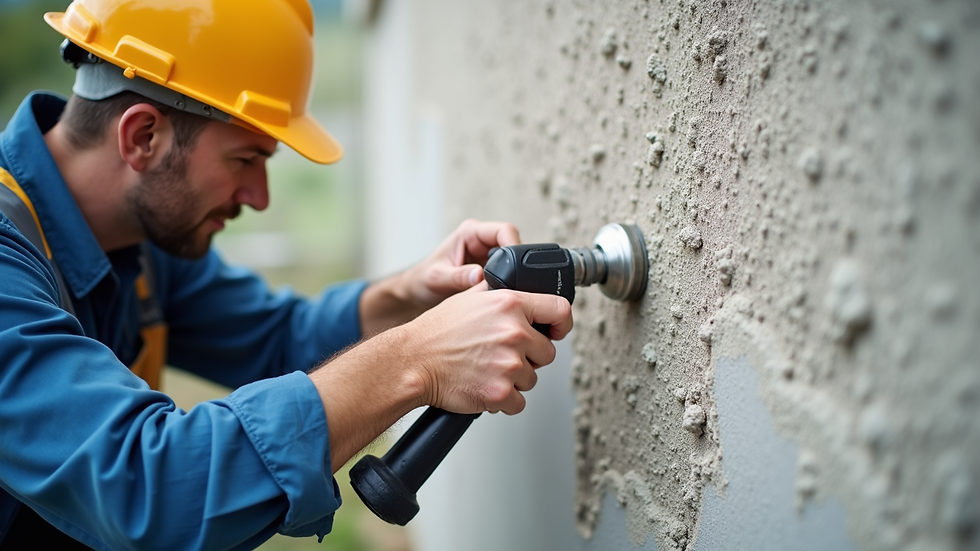
Professional Help: For major issues, hiring a professional experienced in stucco repair is advisable. They can perform a thorough inspection and provide the best solutions tailored to your situation.
Preventive Measures to Protect Your Stucco
Once repairs are made, taking preventive measures will help protect your investment. Here are proactive steps you can undertake:
Seal Cracks: Regularly check and seal any cracks as they appear to prevent moisture intrusion.
Proper Drainage: Ensure that all drainage features on your property are in good working order to avoid pooling water near the stucco.
Regular Cleaning: Clean the stucco surface periodically to remove dirt, mold, or algae that can degrade the material.
Monitor Vegetation: If you have plants or shrubs near the house, keep them trimmed. Overgrowth can trap moisture against the stucco.
By following these steps, homeowners can maintain the durability and appearance of their stucco, reducing the likelihood of future damage.
Final Thoughts
Stucco is a resilient material, but it requires attention and care to thrive. By recognizing signs of damage, performing regular maintenance, and addressing any issues early, you can ensure that your home remains protected. Whether you choose to tackle repairs on your own, or seek professional assistance, understanding the importance of stucco preservation is key to maintaining your home’s value and appeal. Remember, an ounce of prevention is worth a pound of cure when it comes to maintaining your exterior stucco!
Ready to Get Started?
Let’s build something solid. Contact Monarch Masonry today for a free estimate or consultation.
📞 +1 (416) 649-6419


Comments