What is Erosion Control?
- Monarch Masonry Team

- May 20, 2025
- 4 min read
Updated: Jun 13, 2025
Erosion control is an essential aspect of landscape management that aims to prevent soil loss and maintain the quality of land. Whether you're a homeowner looking to enhance your garden or a professional landscaper working on larger projects, understanding erosion control can make a significant difference in the effectiveness and sustainability of your landscaping efforts.
What is Erosion Control?
Erosion control involves various techniques and practices designed to protect the soil from erosion. Erosion happens when natural elements like wind, rain, and water runoff disturb the soil surface, leading to the loss of fertile topsoil. This can result in land degradation, reduced plant growth, and water pollution.
In landscaping, erosion control is not only about maintaining the appearance of an area but also about protecting the environment. For instance, controlling erosion can prevent sediment runoff into nearby water bodies, thereby safeguarding aquatic ecosystems. Some common erosion control methods include planting vegetation, using mulch, or implementing structural solutions.

Why is Erosion Control Important in Landscaping?
Erosion control is vital for several reasons. Firstly, it helps maintain soil health. Healthy soil is crucial for plant growth, and without it, landscaping efforts can falter. Secondly, effective erosion control helps conserve water. When soil erodes, water runoff increases, leading to inefficient water use in gardens and landscapes.
Additionally, erosion control prevents the loss of nutrients. Erosion often strips away valuable topsoil, which is rich in organic material. Protecting this layer ensures that plants receive the nutrients they need to thrive. Furthermore, it mitigates the risks of flooding and stormwater runoff, which can damage property and infrastructure.
Finally, erosion control has aesthetic benefits. A well-maintained landscape free of excessive erosion is more appealing and can enhance property value. By implementing effective erosion control techniques, you not only protect the environment but also improve the visual impact of your garden or landscape.

What are the 4 Types of Retaining Walls?
Retaining walls are an essential component of many landscaping projects, particularly those involving slopes and uneven terrain. They help hold back soil, allowing for the creation of level areas, pathways, and gardens. Here are four common types of retaining walls:
Gravity Walls: These walls rely on their weight to resist the pressure of the soil behind them. They are typically made from heavy materials like concrete, stone, or brick. Their simplicity makes them a popular choice for homeowners.
Cantilever Walls: These walls are designed with a lever arm that can support a considerable amount of weight while using less material than a gravity wall. They are typically made from reinforced concrete and are ideal for taller walls.
Sheet Pile Walls: These walls are made from thin sheets of material, usually steel or wood, that are driven into the ground. They are often used for waterfront retaining walls because they are effective in holding back water and soil.
Anchored Walls: These walls use cables or rods anchored into the soil behind them to provide additional support. They are suitable for situations where conventional retaining walls are not feasible due to space or soil conditions.
Understanding the various types of retaining walls can help you select the right solution for your landscaping project. For more detailed information about retaining walls, you might explore resources such as Monarch Masonry.
Erosion Control Techniques for Landscaping
There are several practical erosion control techniques that can be integrated into landscaping:
1. Planting Vegetation
One of the most effective ways to prevent erosion is to use plants. Vegetation acts as a barrier against wind and water, reducing their impact on the soil. Deep-rooted plants, such as grasses and perennials, are particularly good at holding soil in place.
2. Mulching
Applying a layer of mulch over soil helps protect it from erosion caused by rain. Mulch also retains moisture, reduces weed growth, and adds organic matter to the soil as it breaks down.
3. Terracing
Terracing involves creating flat areas on a slope to reduce the speed of water runoff. This method can be more labor-intensive but is very effective in preventing soil erosion on steep slopes.
4. Using Retaining Structures
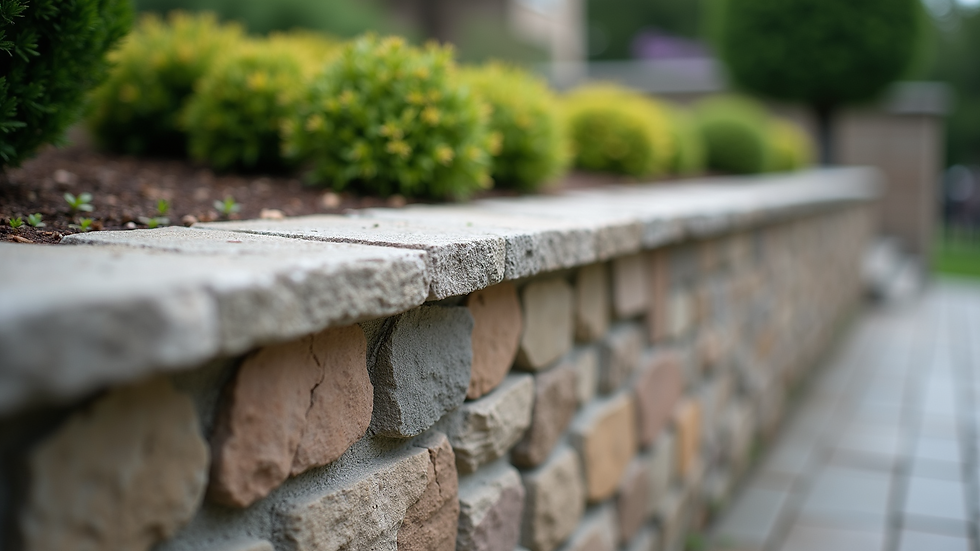
Incorporating structures like retaining walls or boulders can significantly aid in erosion control. They help keep soil in place and can create beautiful landscape features. A properly built retaining wall can enhance the aesthetic appeal of your property while fulfilling its functional purpose.
5. Erosion Control Mats
Erosion control mats are specially designed products that can help stabilize the soil on slopes. They are typically made from natural materials, such as coir or jute, and promote vegetation growth while preventing soil loss.
6. Silt Fences
For construction sites or disturbed areas, installing silt fences can prevent soil and sediment from washing into nearby waterways. These temporary barriers filter runoff and allow water to flow through without carrying soil with it.
Implementing these techniques in your landscaping can greatly improve the health of your soil and prevent erosion effectively.
Monitoring and Maintaining Erosion Control Practices
Establishing these erosion control measures is just the beginning. Ongoing maintenance is necessary to ensure their effectiveness over time. Regular monitoring should include checking plants for health, inspecting retaining walls for stability, and maintaining mulch coverage.
It’s essential to replace plants as needed and reapply mulch annually. If you notice signs of erosion, such as bare patches or sediment buildup, act quickly to address the issue. This may involve replanting or adjusting your erosion control techniques to better suit the changing environment.
Regular inspections can also help you identify potential problems early, allowing for timely interventions and reducing costly repairs in the future.
Final Thoughts on Erosion Control and Landscaping
Erosion control is a crucial aspect of landscaping, especially in areas with varying terrain. By understanding the basics of erosion control and implementing practical techniques, you can create a beautiful and sustainable landscape that not only enhances your property but also protects the environment.
Whether you choose to plant vegetation, use mulch, or incorporate structures like retaining walls, every effort contributes to reducing soil erosion and maintaining land quality. Take the time to research and plan effective erosion control strategies that align with your landscaping goals. Your garden and the planet will thank you for it.
Ready to Get Started?
Let’s build something solid. Contact Monarch Masonry today for a free estimate or consultation.
📞 +1 (416) 649-6419


Comments